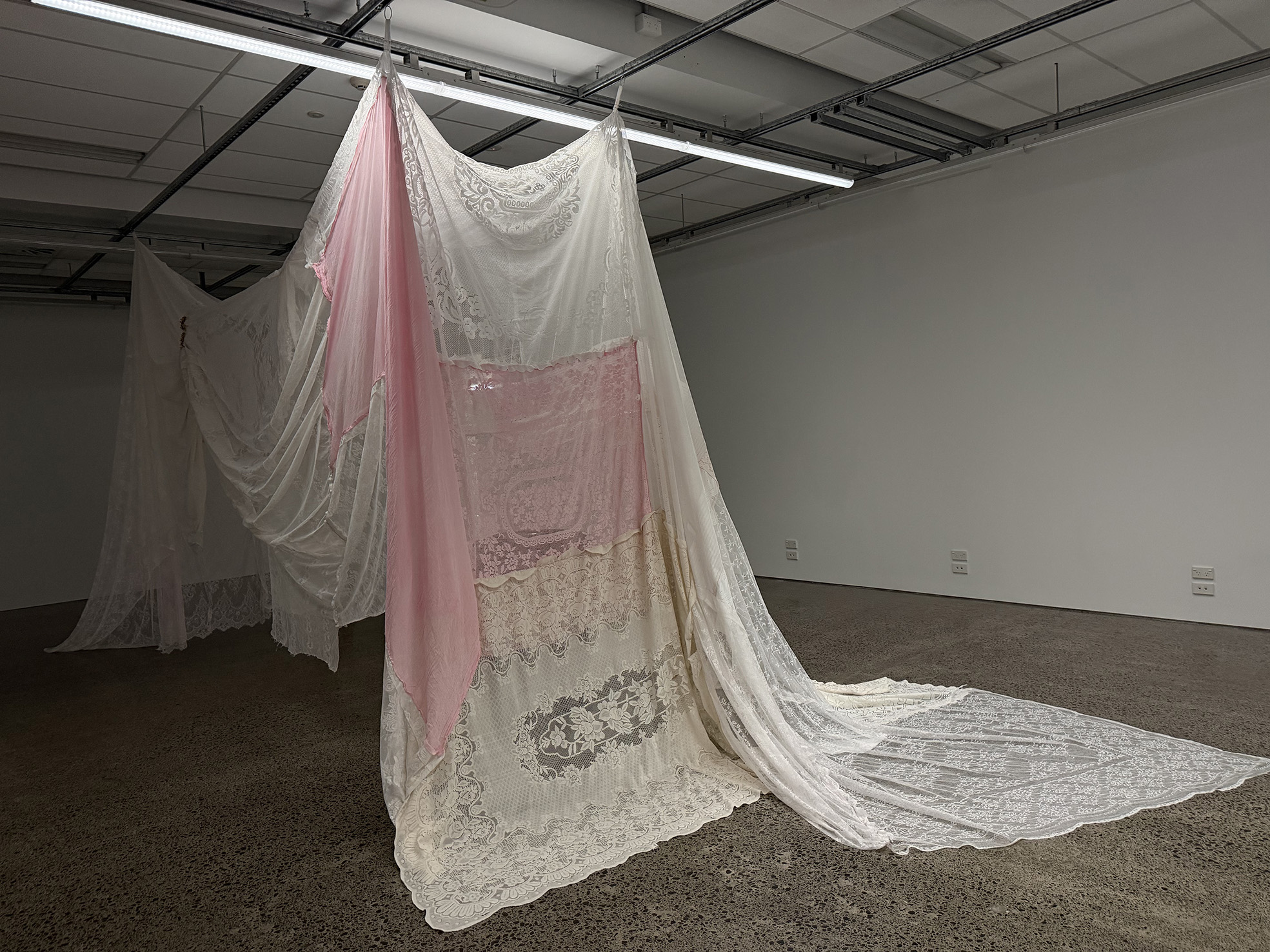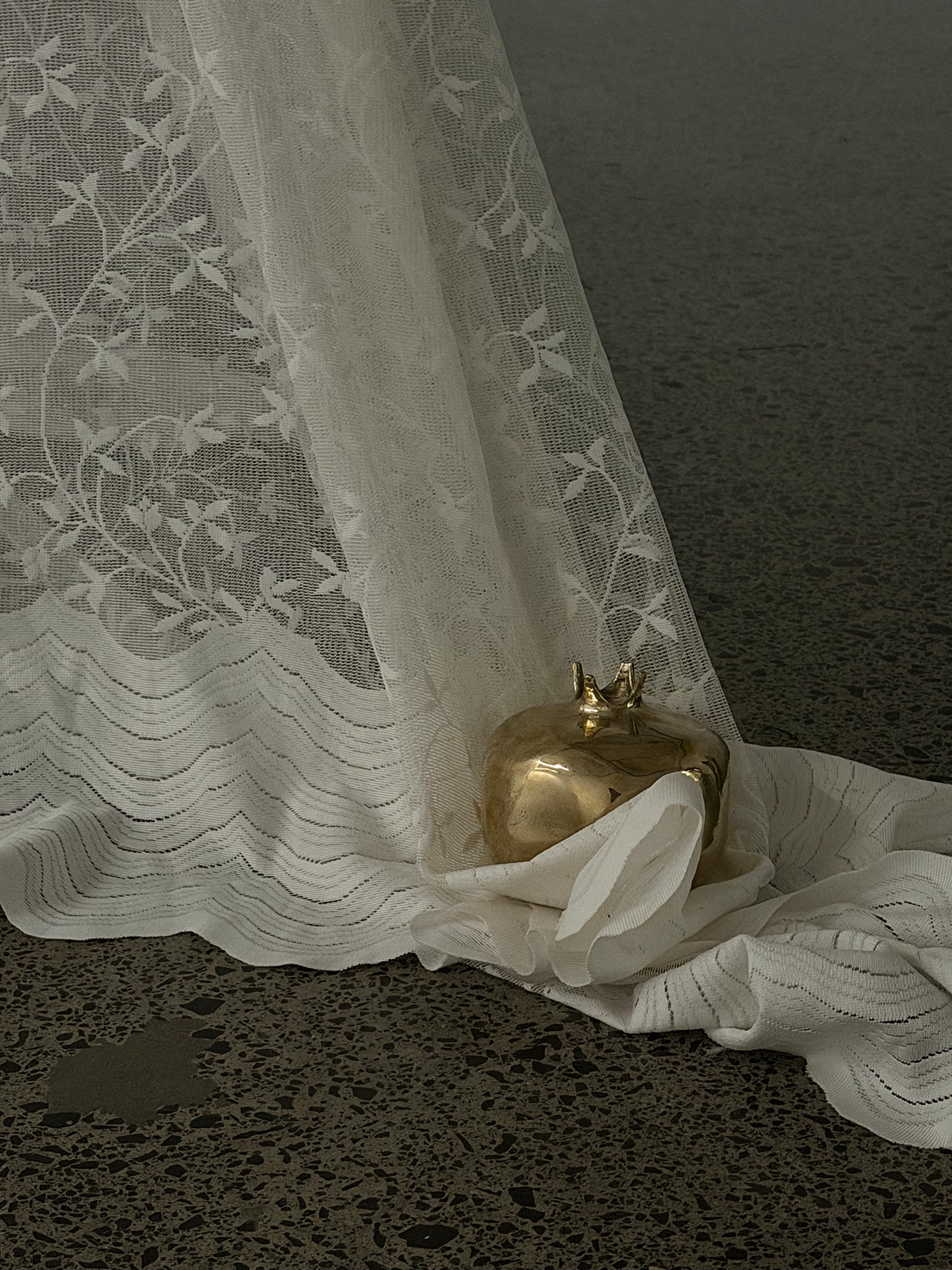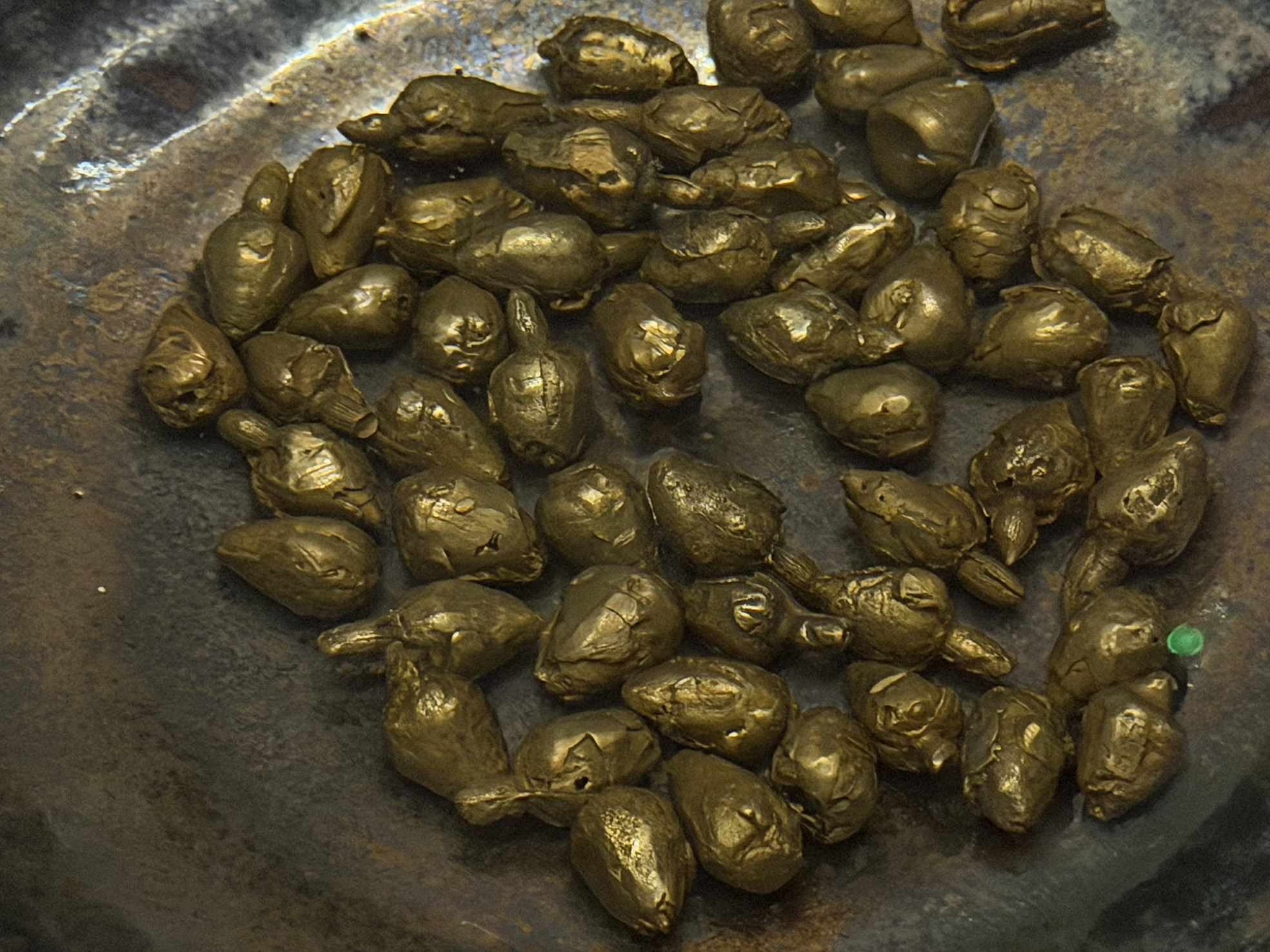


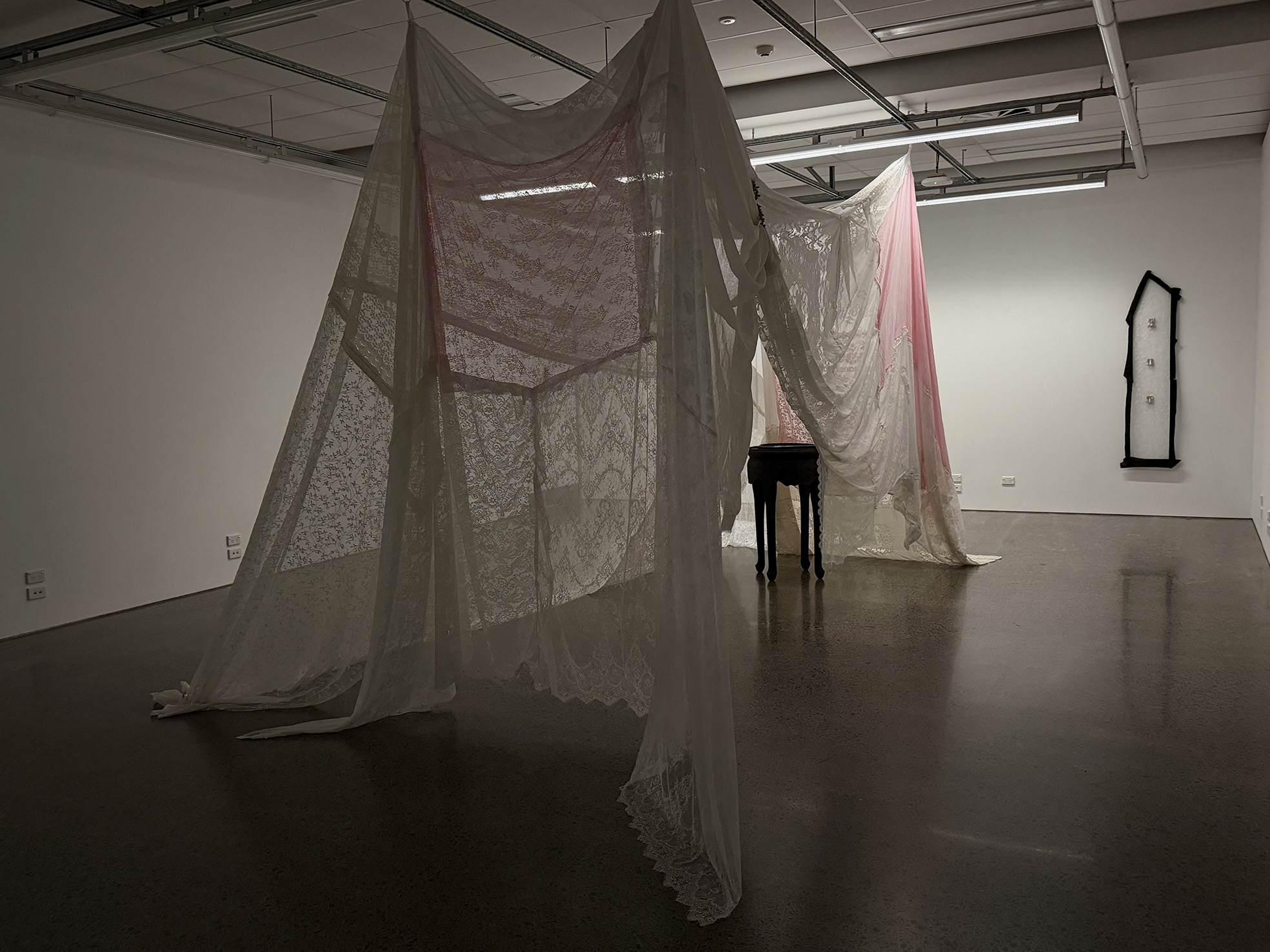
This research investigates the conditions that enable imagination. Rather than understanding imagination as an individual capacity, my research argues that imagination depends on the conditions of survival. To imagine requires time, safety, nourishment, rest, and the ability to live beyond crisis. Working through ceramics, poetry, social practice, and the sofreh as both subject and methodology, this research asks how art can create these conditions for imagination to thrive. Through works including damagh, Tapestry and Sobahneh, I examine gathering, hospitality, and shared ritual as artistic practices that build relationships rather than simply producing objects. These works draw on my lived experience as an artist in diaspora, where cultural knowledge is carried through acts of care performed around the sofreh. This research proposes care as a form of living infrastructure. Rather than treating care as an outcome of art, I argue that care is the condition that makes art, culture, and collective life possible. The sofreh becomes both a methodology and a site through which nourishment, hospitality, and collective responsibility are practised, demonstrating how everyday acts of care can become forms of cultural survival and political resistance.